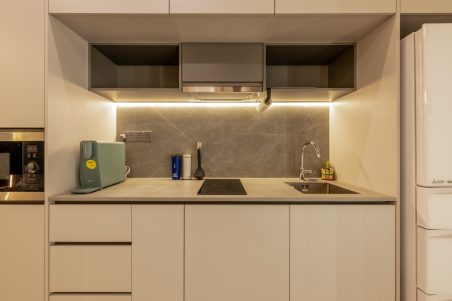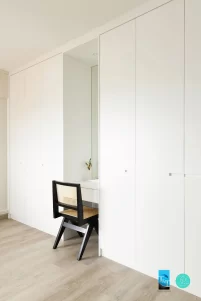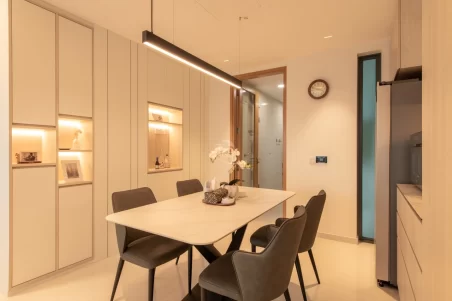
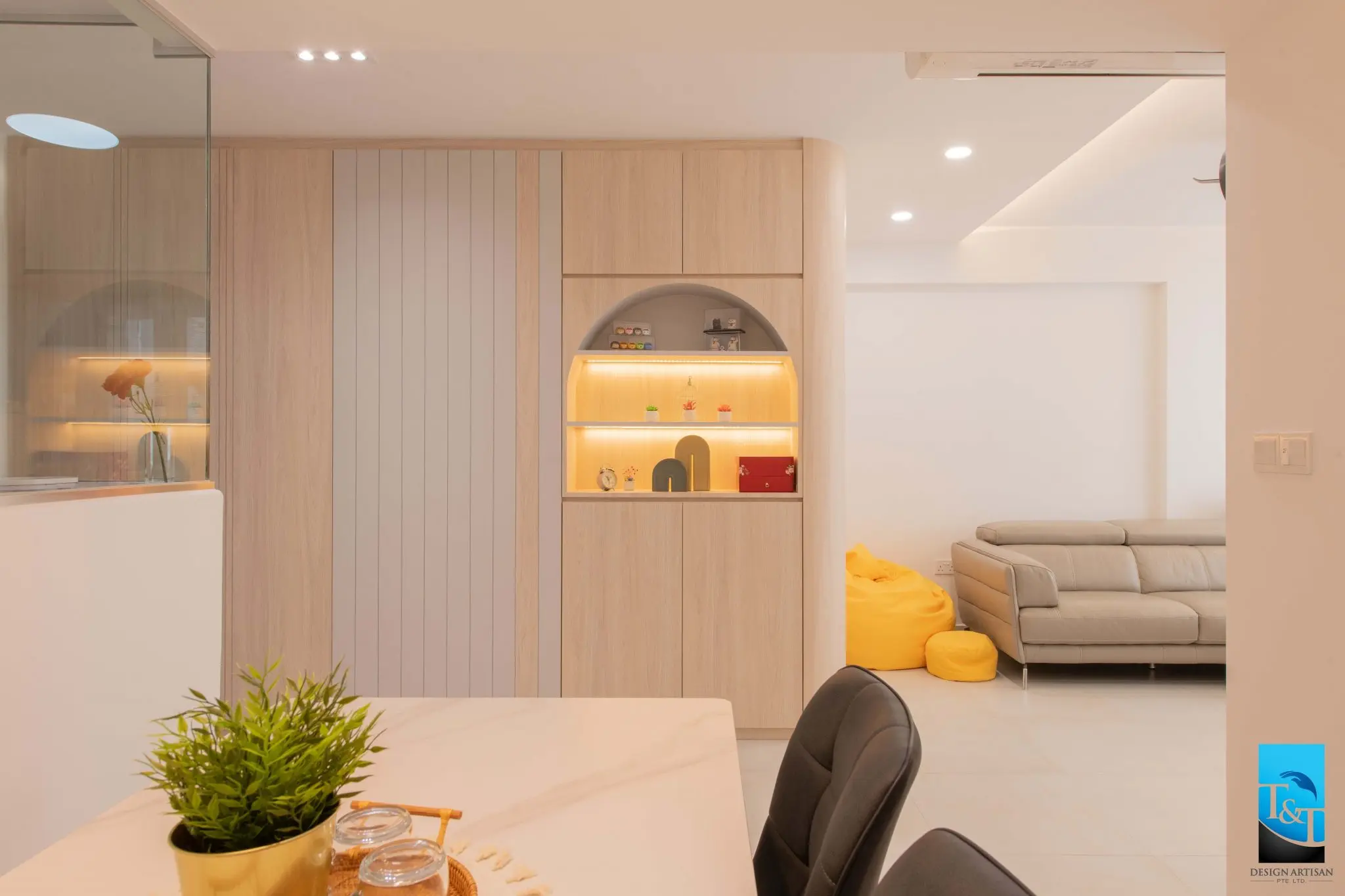
Effective interior design plays a crucial role in enhancing office productivity. By considering key design elements, businesses can create a workspace that promotes efficiency, collaboration, and employee well-being. Here are a few ways interior design influences office productivity
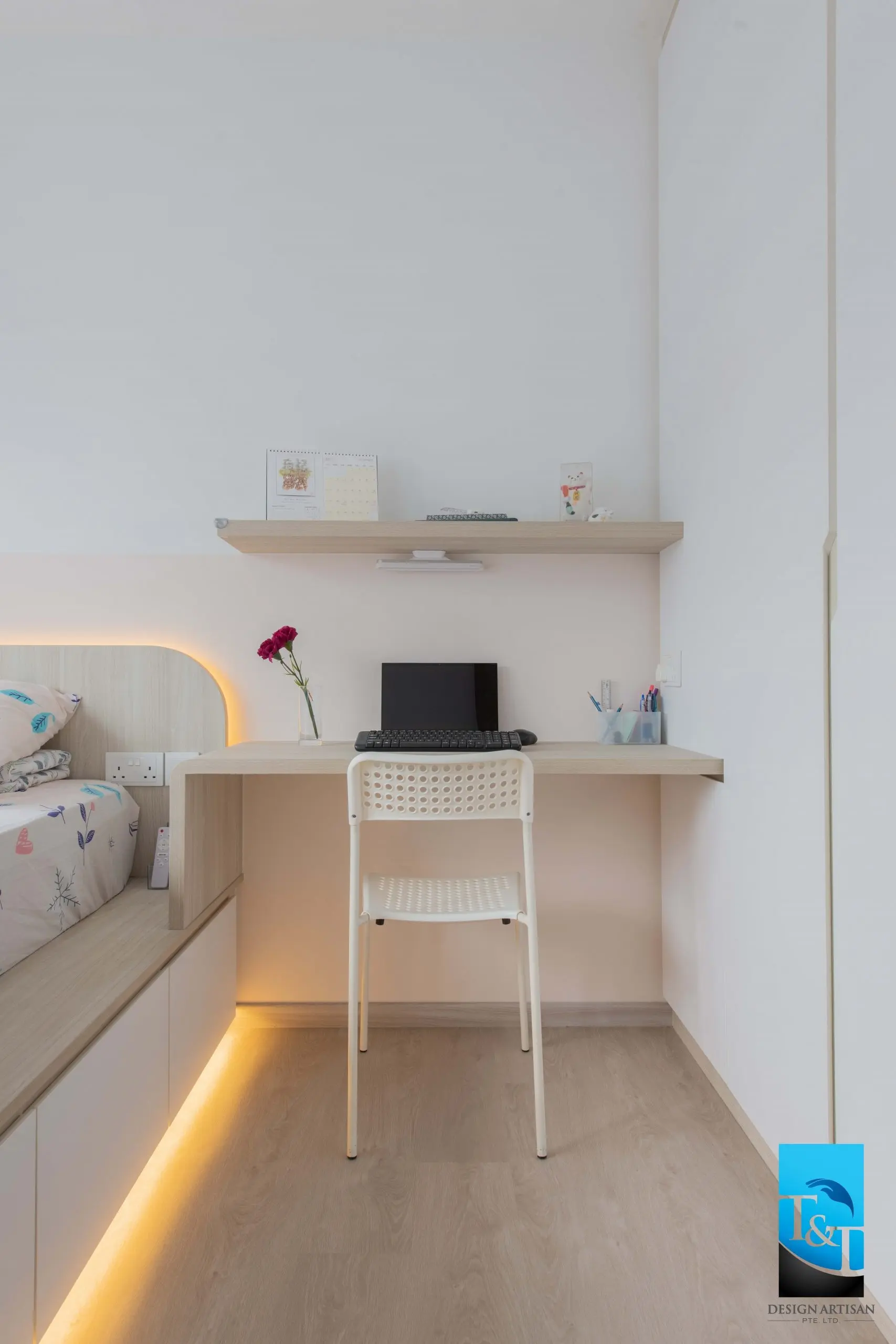
Ergonomic Solutions: Incorporating ergonomic furniture and equipment improves employee comfort and reduces the risk of work-related injuries, leading to higher productivity levels.
Functional Layout: A well-planned office layout supports workflow and encourages interaction. Designating areas for collaboration, quiet work, and relaxation helps employees stay focused and engaged.
Lighting and Color: Adequate lighting and a carefully chosen color palette can positively impact mood and energy levels. Natural light and soothing colors promote a more productive and positive work environment.
Noise Reduction: Implementing sound-absorbing materials and creating designated quiet zones minimize distractions and enhance concentration.
Noise Reduction: Implementing sound-absorbing materials and creating designated quiet zones minimize distractions and enhance concentration.
Further Reading: Choosing the Right Interior Design Firm in Singapore
1. Design spaces that can be easily transformed
Families grow and daily routines change over time. A room that serves as a study area today may later become a children’s room, playroom, or guest room. Because of this, smart homeowners opt for flexible designs that can adapt to different needs without having to do a complete renovation.
You can create flexible spaces by using sliding doors, foldable furniture, and simple open layouts. Many people also choose storage beds, movable shelves, and tables that serve more than one purpose. These ideas help save space and keep the home neat and usable for many years.
2. Create rooms for different uses
Modern homes work best when one room can handle multiple activities. A living room can also become a workspace, and a guest room can be converted into a study space when needed. Flexible furniture and smart storage make daily life easier and more comfortable.
You can use modular cabinets, hidden storage, and lightweight furniture to change up your room setup at any time. This simple planning helps your home stay practical as your lifestyle changes.
3. Create a home that works better every day
A future-ready home should be comfortable, healthy, and easy to maintain. Good ventilation, natural light, and energy-saving features help improve everyday life. Many homeowners are now focusing on designs that reduce electricity and water use and keep the home cool and bright.
Simple upgrades like better insulation, energy-saving lights, and eco-friendly materials can make a big difference. Smart planning also helps reduce maintenance costs and keeps your home usable for many years to come.
By leveraging the power of interior design, businesses can optimise their office spaces to create an environment that boosts productivity, engagement, and overall job satisfaction.
Read More: Condo Interior Designer: Maximizing Space and Style
Modern homes need smart technology
Smart technology makes everyday life easier and more comfortable. Many homeowners now choose smart features because they save time, improve security and make home management easier. At TNT Design, we help create modern homes that combine beautiful interiors with practical technology.
Smart lighting lets you control your lights with your phone or voice. Smart locks add extra security and allow easy access for family members. Smart air conditioners and fans help keep your home comfortable by reducing energy use.
You can also connect smart devices to work together. For example, the lights can turn on automatically when you enter a room, or the curtains can open in the morning without any effort. These simple features make everyday life more convenient.
The modern home is not only stylish but also smart and functional. By choosing the right technology, you enjoy a safer, more efficient and more comfortable space for your family every day.
Frequently Asked Questions
Q1. What is “future-proofing”?
It’s designing your home today so that it can easily adapt to your changing needs – such as growing families or aging – without the need for major renovations later.
Q2. Can a home be both modern and functional?
Yes. At TNT Design, we blend a clean, modern aesthetic with stylish and ergonomic choices to make your home beautiful and support your everyday life.
Q3. Is future-proofing just about accessibility?
No. It’s about versatility. It includes things like flexible floor plans, sustainable materials and smart technology that make life easier for everyone at any age.
Q4. How does TNT Design ensure long-term quality?
We focus on timeless design and high-quality, durable materials that resist wear and tear, ensuring your home stays beautiful for years to come.
Q5. Where should I start?
Start by thinking about how you want to use your home in 10 or 15 years. TNT Design can help you create a roadmap to prioritize these upgrades today.