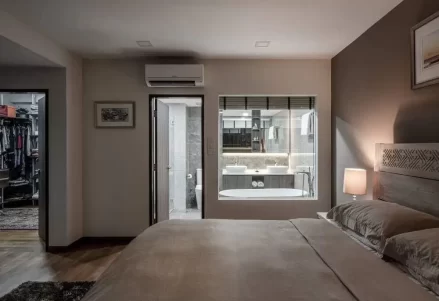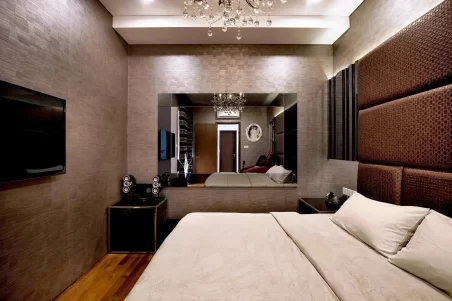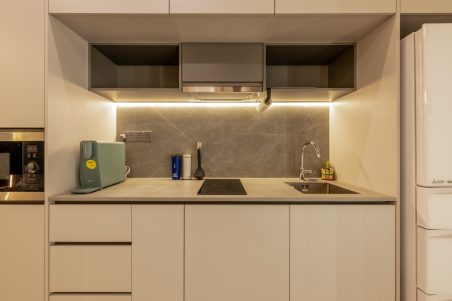

Contemporary interior design is a dynamic and ever-evolving style that has captured the hearts of design enthusiasts worldwide. This design approach embraces modern elegance, combining sleek lines, innovative materials, and a focus on functionality to create spaces that are both stylish and practical.
At the core of contemporary interior design is the principle of simplicity. Clean lines and an uncluttered aesthetic are hallmarks of this style, allowing for a sense of openness and tranquility. Neutral color palettes are often complemented by bold accent hues, creating a balanced and visually engaging environment.
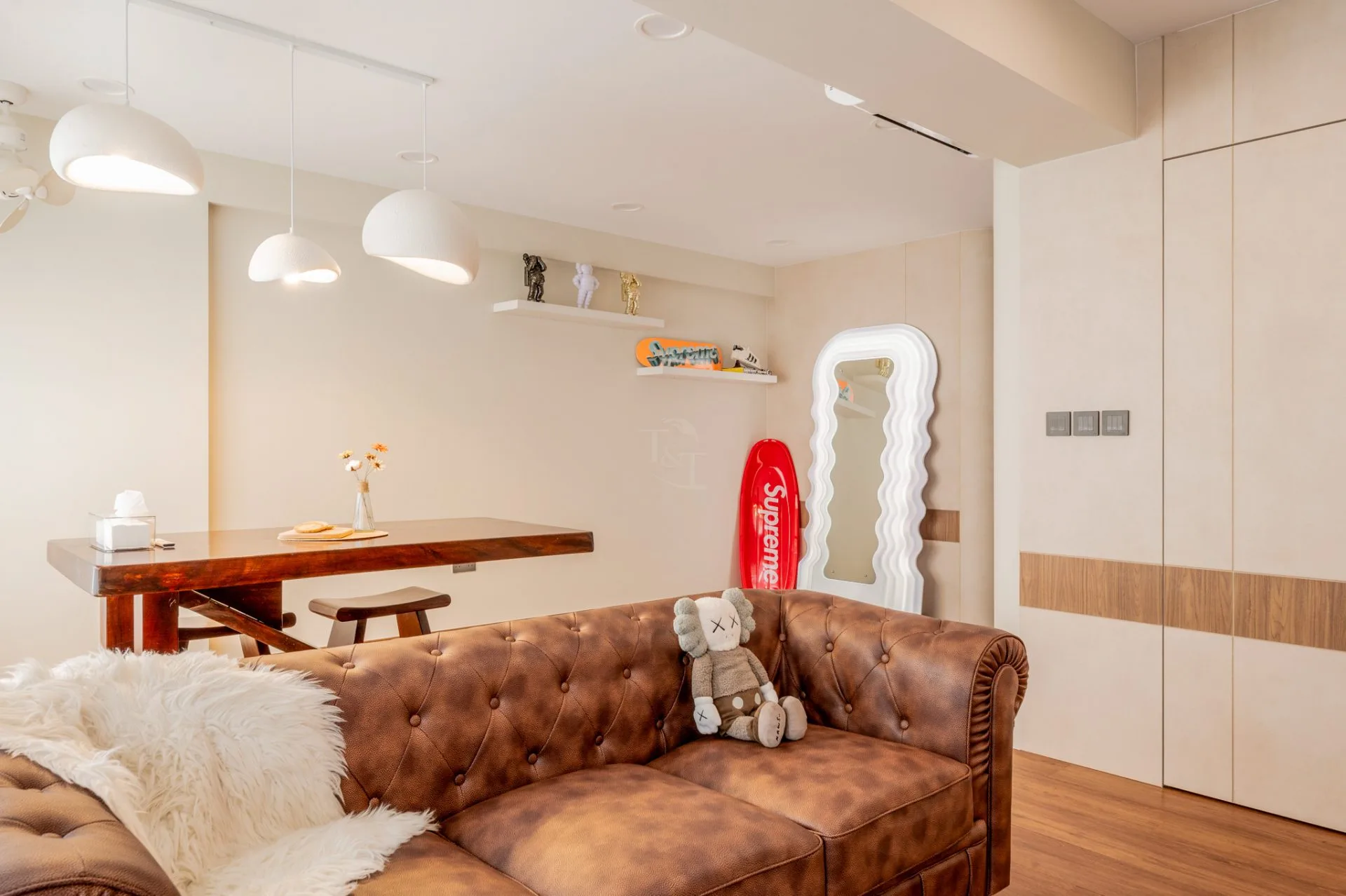
Contemporary interior design also celebrates the use of cutting-edge materials and technology. From sustainable and eco-friendly choices to innovative smart home solutions, this style incorporates elements that enhance the quality of life and the overall experience within a space.
Furniture in contemporary interior design is selected for its form and function. Pieces are chosen not only for their aesthetic appeal but also for their practicality and comfort. Minimalistic yet impactful decor items, such as art and lighting fixtures, are carefully curated to add character and personality.
Also Read: Finding the Right Interior Design Company in Singapore
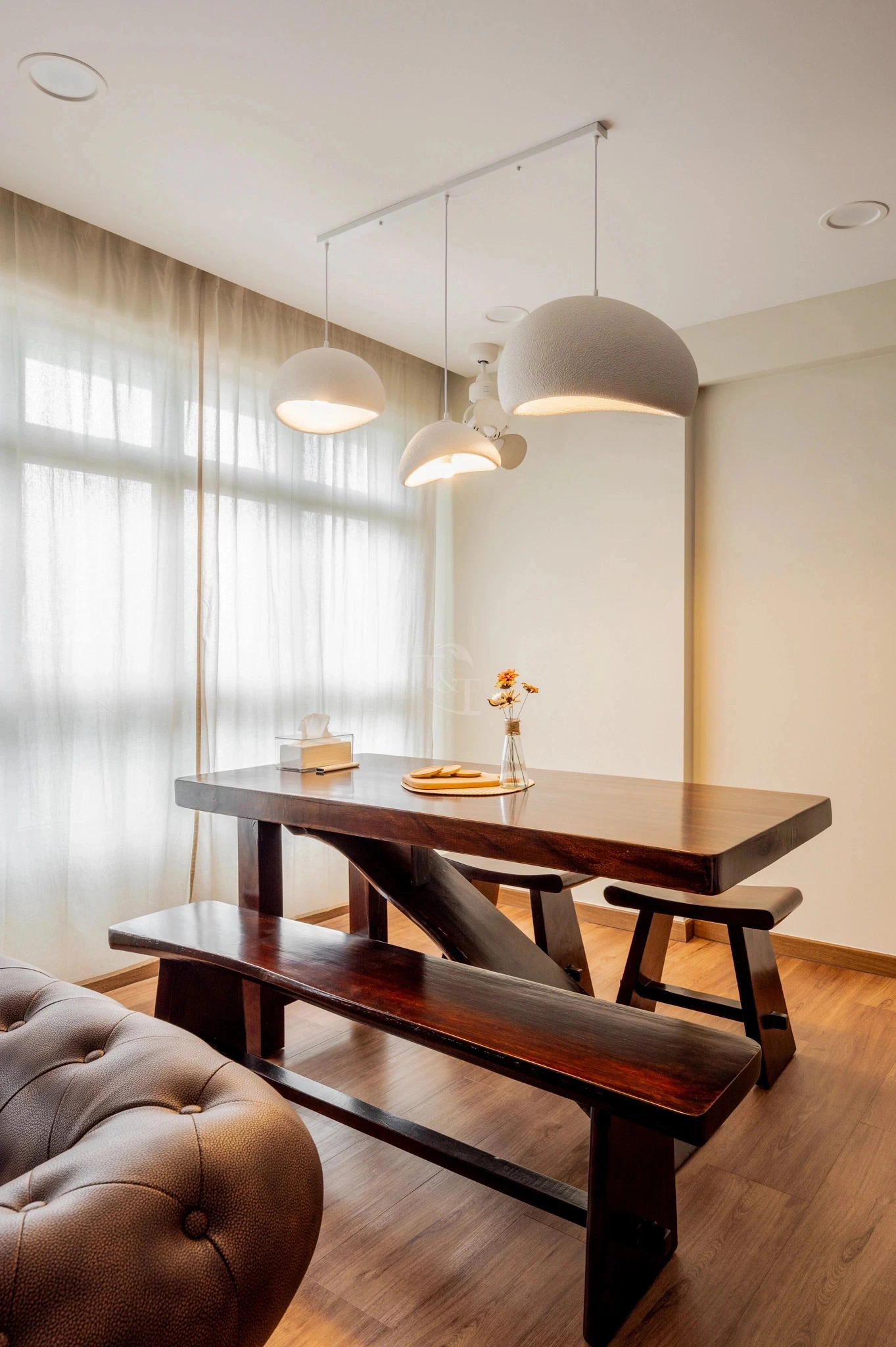
Whether you’re designing a home, office, or commercial space, contemporary interior design offers a timeless and sophisticated approach that can be tailored to suit your unique preferences. Partnering with a skilled interior design firm specializing in contemporary design ensures that your space exudes modern elegance and functionality.
What is Contemporary Interior Design?
As previously noted, the term “contemporary” refers to something that is current and relevant today, which makes it difficult to define this design style with complete precision. In the early 1900s, contemporary interior design often reflected influences from Art Nouveau, Art Deco, and other forward-thinking design movements. Today, however, contemporary interior design focuses on simplicity, refined elegance, clean lines, layered textures, and a minimalist approach to space.
Contemporary interior design continues to evolve as trends and lifestyles change. The features that define this style today may look completely different in the coming years, with many of the elements that are currently popular being replaced by new ideas. At TNT Design, we recognize that contemporary spaces must adapt to modern lifestyles while maintaining a timeless sense of comfort and style.
Creating a Contemporary Home That Reflects Your Personality
Focus on a Few Trends Instead of Doing Everything at Once
Many homeowners are tempted to incorporate every popular design trend into a single space. In fact, contemporary interiors work best when you keep things balanced and deliberate. Choose two or three design ideas that complement each other and let them shape the overall look of your home.
At TNT Design, we often suggest starting with the largest furniture pieces. Your sofa, dining table, and entertainment unit form the foundation of the room and help guide the rest of your style choices.
The Power of Neutral Foundations
A neutral color palette is one of the defining features of contemporary interiors. These shades don’t feel dull; instead, they provide a calming backdrop that highlights textures, materials, and decorative details.
Soft whites, warm beiges, and soft grays work beautifully on walls, flooring, and larger furniture pieces. They create a timeless look while giving you the freedom to refresh your décor whenever you want.
If you want to introduce more character, use colorful artwork, a statement rug, or accent chairs. A neutral base allows these features to stand out without making the room too busy.
Create Interest Through Contrast
This is where contemporary design becomes more dynamic.
Mixing different metal finishes can instantly add sophistication and dimension to your interior. Warm metals like brass pair surprisingly well with cooler materials like stainless steel or brushed nickel.
You don’t have to match everything perfectly. Instead, aim for visual balance. A sleek sofa with metal detailing can easily work with a matte black lamp or a brass side table, creating a layered and polished look.
Curved Shapes Bring Softness and Style
Straight lines remain important in contemporary design, but curved forms have become equally popular in modern homes.
Rounded elements introduce softness, movement, and visual interest. A curved accent chair with a plush silhouette can create a welcoming focal point while balancing sharp architectural features in a room.
You can also incorporate curves through arched openings, rounded mirrors, a circular coffee table, or sculptural pendant lighting. These details help create a more inviting and comfortable atmosphere.
Add Natural Elements for Warmth and Balance
A modern home should feel stylish, but it should also feel connected to nature.
Natural materials like wood, leather, stone, and indoor plants bring warmth and authenticity to a space. They help soften modern finishes and create a more lively atmosphere.
Wood introduces natural character, whether through furniture, wall details, or exposed beams. Stone surfaces like marble and granite add beauty while providing texture and durability.
Plants are one of the easiest ways to enhance any room. They introduce color, freshness, and life. For smaller homes, hanging planters or wall-mounted greenery can provide a similar effect without taking up valuable floor space.
Maximize Light and Keep Spaces Open
Lighting plays a key role in shaping the mood of a contemporary interior. Whenever possible, prioritize natural light. Large windows, glass panels, and sheer window treatments allow sunlight to flow freely throughout the space.
If natural light is limited, create layers of light using ceiling fixtures, floor lamps, table lamps, and accent lighting. This approach adds depth and flexibility, as well as making the room more comfortable throughout the day.
Light-colored walls and neutral finishes can further enhance the brightness by reflecting light into the room, making your home feel larger, fresher, and more welcoming.
Continue Reading: Discovering the Best Interior Design Singapore Has to Offer
Common Mistakes Singapore Homeowners Make with Contemporary Design
Making the Space Too Small
Many homeowners assume that contemporary design means removing as much as possible from a room. At TNT Design, we often meet homeowners who want a welcoming and comfortable home but are overly focused on minimalist looks.
A well-designed contemporary home should still feel inviting and practical. Natural materials, cozy furniture, and layered textures help create warmth. Instead of removing everything, focus on keeping pieces that serve a purpose and enhance everyday life.
Ignoring Layered Lighting
Lighting is often an afterthought during the renovation process. Many homeowners rely on a single ceiling fixture, which can make a room feel overly bright, flat, and lacking in character.
Contemporary interiors benefit from a mix of light sources. Ambient lighting brightens the room, task lighting supports daily activities, and accent lighting highlights key design features. The combination of different lighting levels creates a comfortable atmosphere and adds visual depth to a space.
Choosing Materials That are Not Suited to the Singapore Climate
Some finishes and materials look impressive in photos but struggle to withstand the heat and humidity of Singapore. Over time, homeowners may face problems such as swelling, peeling or increased maintenance requirements.
Contemporary interiors rely on clean and polished finishes, which makes material selection especially important. Choosing durable materials that can withstand moisture and everyday wear and tear helps maintain the overall look of a home for years to come.
Following Pinterest Ideas Without Adapting Them
Reference images can provide great inspiration, but copying them exactly may not produce the same results. Designs created for large foreign homes often do not suit the layout and proportions of local HDB flats and condominiums.
Every Singapore home comes with unique space constraints, natural light conditions and renovation considerations. Successful contemporary designs take inspiration from ideas and adapt them to the real needs of the home, rather than forcing a style that doesn’t work well in everyday life.